CALL NOW CALL NOW
LICHEN
HomeServices › BLACK STREAKS, LICHEN & ALGAE — ROOF GUIDE
Identifying & Removing Queensland Roof Growth

BLACK STREAKS, LICHEN
& ALGAE — ROOF GUIDE

Black streaks, green algae, grey lichen and green moss on Queensland roofs aren't just unsightly — they're active biological organisms causing real damage to your roofing material. This guide explains exactly what is growing on your roof, what it does if left untreated and how professional soft washing from Burnett 2 Bay removes it completely.

Redlands · South Burnett · Somerset
Free no-obligation quotes
100% satisfaction guarantee
Locally owned and operated

Free Quote

We respond within 2 hours · Mon–Sat

No obligation · 100% free · Fast response

Real Results

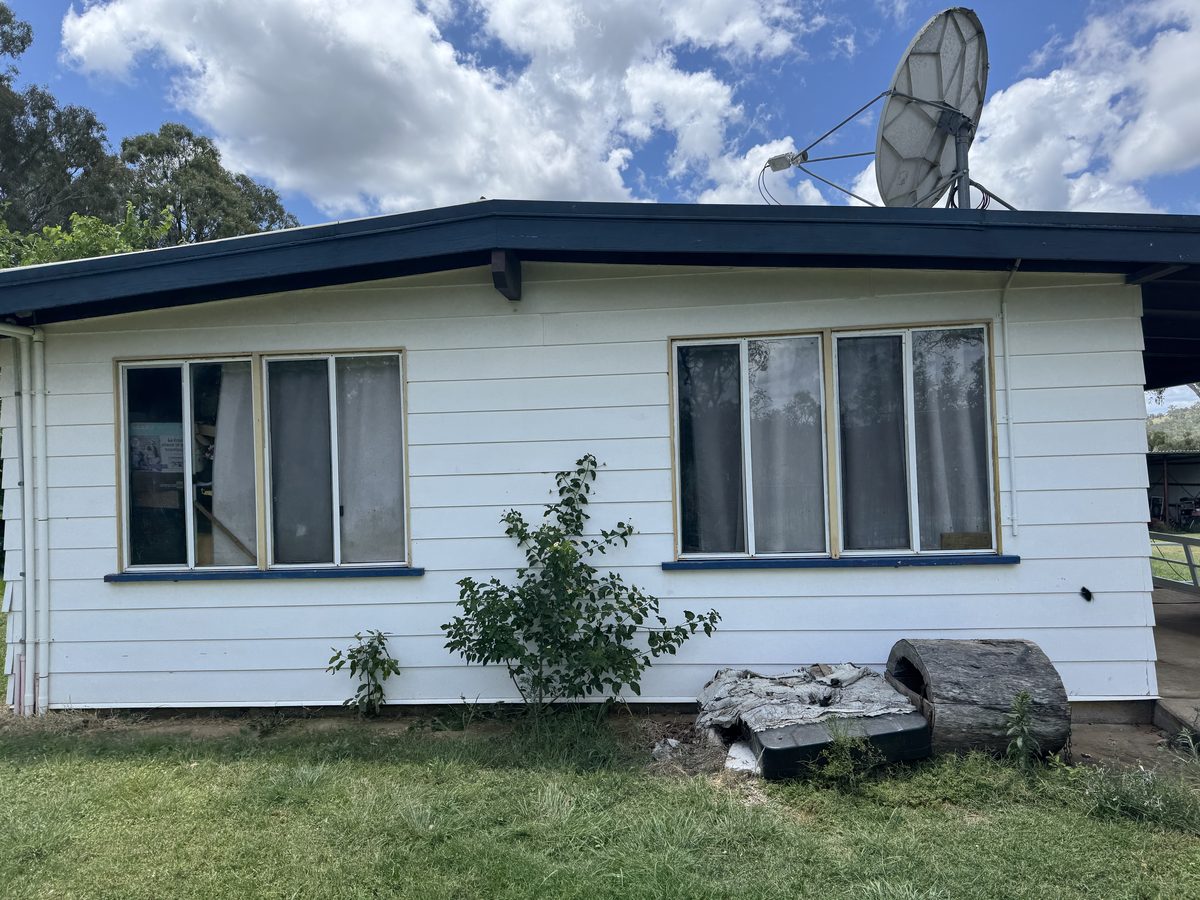
Before & After — What Soft Washing Achieves

Real results from a recent job. Soft wash kills biological growth at the root — results last 12 to 24 months, not the 3 to 6 months you get from pressure washing alone.
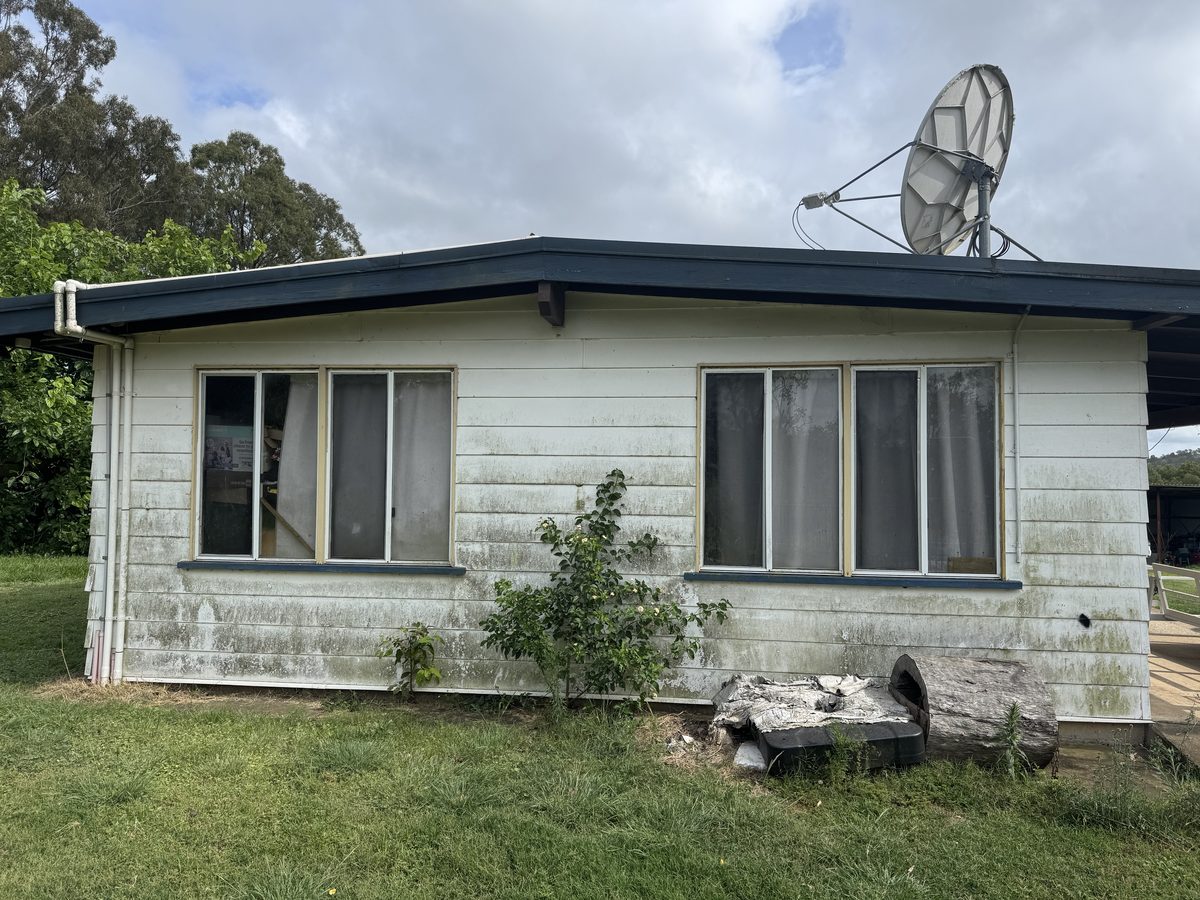
Exterior surface before soft wash treatment
BEFORE
Exterior surface after professional soft wash — clean result
AFTER
Identifying the Problem

What Is That on Your Roof? A Complete Identification Guide

Not all roof staining is the same — and not all roof staining requires the same treatment. Understanding what is growing on your roof helps you understand why it needs to be treated professionally, and why the treatment method matters. Here is a complete guide to every type of biological growth and staining found on Queensland roofs.

Black Streaks — Gloeocapsa Magma
Most Common

The dark grey to black streaking that runs down from the ridge of Queensland roofs is caused by Gloeocapsa magma — a cyanobacterium (blue-green algae) that thrives in warm, humid conditions. It's by far the most common form of biological staining on roofs in Southeast Queensland.

The black colour is actually a UV-protective pigment the organism produces — a melanin-like shield that protects it from direct sunlight. This is why the streaking is most pronounced on the sun-exposed sections of the roof while the shaded areas often show green algae or lichen instead.

Gloeocapsa magma feeds on the calcium carbonate in concrete and terracotta tiles — it is literally consuming your roof tiles while it grows. On tank water properties, the toxins it produces wash into your rainwater system with every rainfall event.

Treatment

Sodium hypochlorite solution at 2–4% applied with dwell time kills Gloeocapsa magma completely — including the melanin pigment that gives it its black colour. Results are visible within days as the dead organisms wash away in rainfall.

Pressure washing removes the visible streaking but does not kill the organism — regrowth reappears within months. Only chemical treatment kills it at a cellular level, producing results that last 12–24 months.

Green Growth — Algae & Moss
Very Common

Standard algae produces a thin, slimy green film on roof surfaces — most visible on shaded sections, the south-facing roof elevation and in areas where leaf matter accumulates. It spreads rapidly in humid conditions and is often the first biological growth to establish on a new roof surface.

Moss creates thicker, cushion-like clumps — green to dark green — most commonly found in roof valleys, under overhanging trees and in areas of persistent shade and moisture. Moss root systems (rhizoids) penetrate into tile surfaces and mortar, causing physical breakdown over time and creating pathways for water infiltration under tiles.

Both algae and moss on a roof are also fire hazards — dry accumulated moss is highly combustible and a significant risk in ember attack during bushfire events. Homes in South Burnett and Somerset should have roofs cleared of moss growth as a bushfire preparedness measure.

Treatment

Algae responds rapidly to sodium hypochlorite treatment — visible greening clears within 24–48 hours of treatment as organisms die. Moss requires a slightly longer treatment and dwell period to penetrate the thicker growth structure.

Dead moss clumps may remain visible for 2–4 weeks after treatment before washing away in rainfall. This is normal — the organisms are dead and will not regrow. We advise customers to expect this and not to be alarmed when the roof appears to still have brown-coloured moss clumps immediately after treatment.

Lichen — The Difficult One
Hardest to Remove

Lichen is the grey, greenish-grey or orange-brown crusty growth that looks almost painted onto the roof surface. It is not a plant, not an algae and not a moss — it is a symbiotic organism formed from the partnership of fungi and algae living together. This dual nature makes it uniquely difficult to treat.

Lichen attaches to surfaces using a strong adhesive structure called a holdfast that physically penetrates into the substrate material — into the tile surface, into the mortar and into colorbond's paint coating. High pressure washing can remove the visible lichen body but leaves the holdfast intact, allowing full regrowth within weeks to months.

In Queensland's climate, lichen is most prevalent on properties with significant native tree coverage — South Burnett, Somerset and the leafier Redlands suburbs see the heaviest lichen growth rates. A heavily lichen-affected roof in these areas can go from clean to visibly affected within 12 months without treatment.

Treatment — Why It Takes Time

Sodium hypochlorite at 3–5% concentration with extended dwell time is the only treatment that kills lichen including the holdfast root system. The solution must penetrate deeply enough to reach and kill the fungal and algal components throughout the lichen structure.

After treatment, dead lichen may remain on the surface for 4–8 weeks before washing away in rainfall. During this period the lichen body turns from green/grey to brown/orange — indicating it is dead and decomposing. This is a normal and expected part of the treatment process, not a sign of incomplete cleaning. Results after full washout are typically 12–24 months of clean surface.

What Happens If You Don't Act

The Real Cost of Leaving Roof Growth Untreated

Roof Damage

Lichen root systems penetrating into concrete and terracotta tile surfaces cause micro-fracturing that, over years, allows water infiltration under the tiles. What starts as a biological growth problem becomes a waterproofing problem — and eventually a structural problem requiring tile replacement rather than cleaning.

Moss accumulation retains moisture against roofing material through extended wet periods, accelerating deterioration of tile surface coating, mortar and timber substrate in heritage homes. Regular cleaning at 12–18 month intervals is genuinely preventative maintenance — not just aesthetics.

Financial Impact

The average professional roof clean costs $600–$1,200. A section of roof tiles damaged by years of untreated lichen costs $3,000–$15,000 to repair or replace. The maths is not complex.

Many Australian insurance policies contain maintenance clauses — damage that has resulted from clearly visible and long-term neglected growth may be challenged as a maintenance failure rather than an insurable event. A clean roof with evidence of regular maintenance is a defensible position. A heavily lichen-covered roof with documented years of no cleaning is not.

Common Questions

Frequently Asked Questions

Why does my roof go black so fast after cleaning?

If your roof is developing dark streaking again within months of being cleaned, the likely cause is pressure washing rather than chemical treatment. Pressure washing removes the visible biological growth but does not kill the organisms — the root system and spores remain in the tile surface and regrowth begins immediately. Professional soft washing kills organisms at the cellular level. Results last 12–24 months compared to 3–6 months with pressure washing alone.

Is the lichen damaging my roof tiles?

Yes — over time, lichen root systems penetrate into tile surfaces and mortar, causing micro-fracturing that allows water infiltration. This is a slow process but a real one, particularly on older concrete and terracotta tiles. The biological growth itself feeds on the calcium carbonate in your tiles. Regular cleaning at 12–18 month intervals prevents the growth from establishing deeply enough to cause physical damage.

Can I treat black streaks myself?

DIY roof treatment is possible but carries significant risks — working at height without proper safety equipment is one of Australia's leading causes of serious injury. Incorrect chemical concentration can damage roof surfaces. And without commercial-grade surfactants, DIY solutions run off pitched surfaces before achieving adequate dwell time. Professional results consistently outperform DIY attempts in duration and completeness of kill.

My roof looks dirty but I can't identify any specific growth — what is it?

General atmospheric soiling — dust, pollution, pollen and organic matter — accumulates on roof surfaces in the same way it does on a car. Unlike a car, roofs are rarely washed. What looks like general dirtiness on a Queensland roof is often a mix of light algae growth, organic debris and atmospheric soiling that responds well to professional soft washing. If the surface appears consistently discoloured rather than patchy and organic-looking, atmospheric soiling rather than biological growth may be the primary issue — and it responds similarly to treatment.

Free Quote

Get Your Free Quote Today

Call direct or send an enquiry — we respond within 2 hours, Mon to Sat.

0412 291 614

No obligation · Free · We respond within 2 hours