CALL NOW CALL NOW
TANK WATER
HomeServices › TANK WATER ROOF CLEANING
Protecting Your Drinking Water

TANK WATER
ROOF CLEANING

For Queensland homes on rainwater tanks — your roof is part of your drinking water system. Biological growth on your roof washes directly into your tank with every rainfall. Burnett 2 Bay specialises in professional tank water roof cleaning across South Burnett, Somerset and rural Redlands, with a full tank disconnection procedure on every job.

Redlands · South Burnett · Somerset
Free no-obligation quotes
100% satisfaction guarantee
Locally owned and operated

Free Quote

We respond within 2 hours · Mon–Sat

No obligation · 100% free · Fast response

Real Results

Before & After — What Soft Washing Achieves

Real results from a recent job. Soft wash kills biological growth at the root — results last 12 to 24 months, not the 3 to 6 months you get from pressure washing alone.
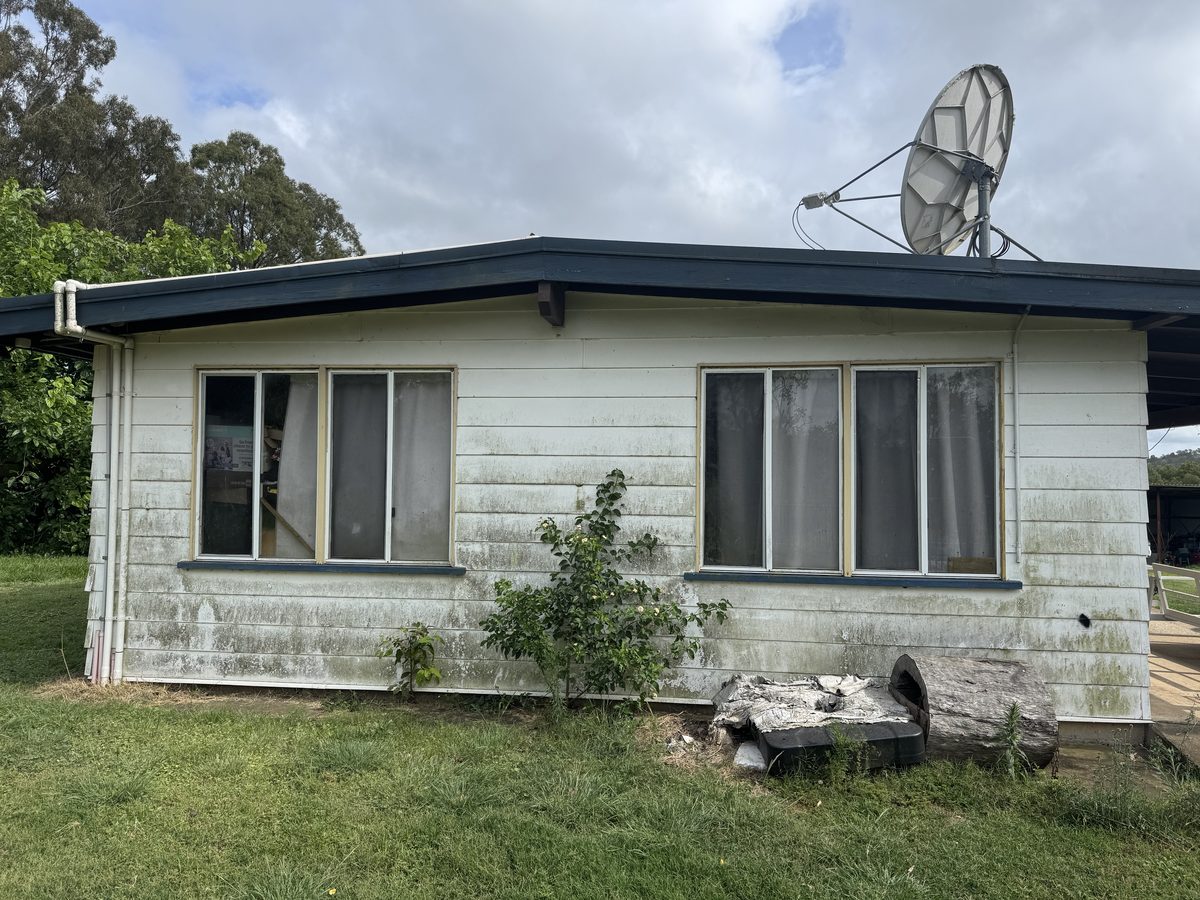
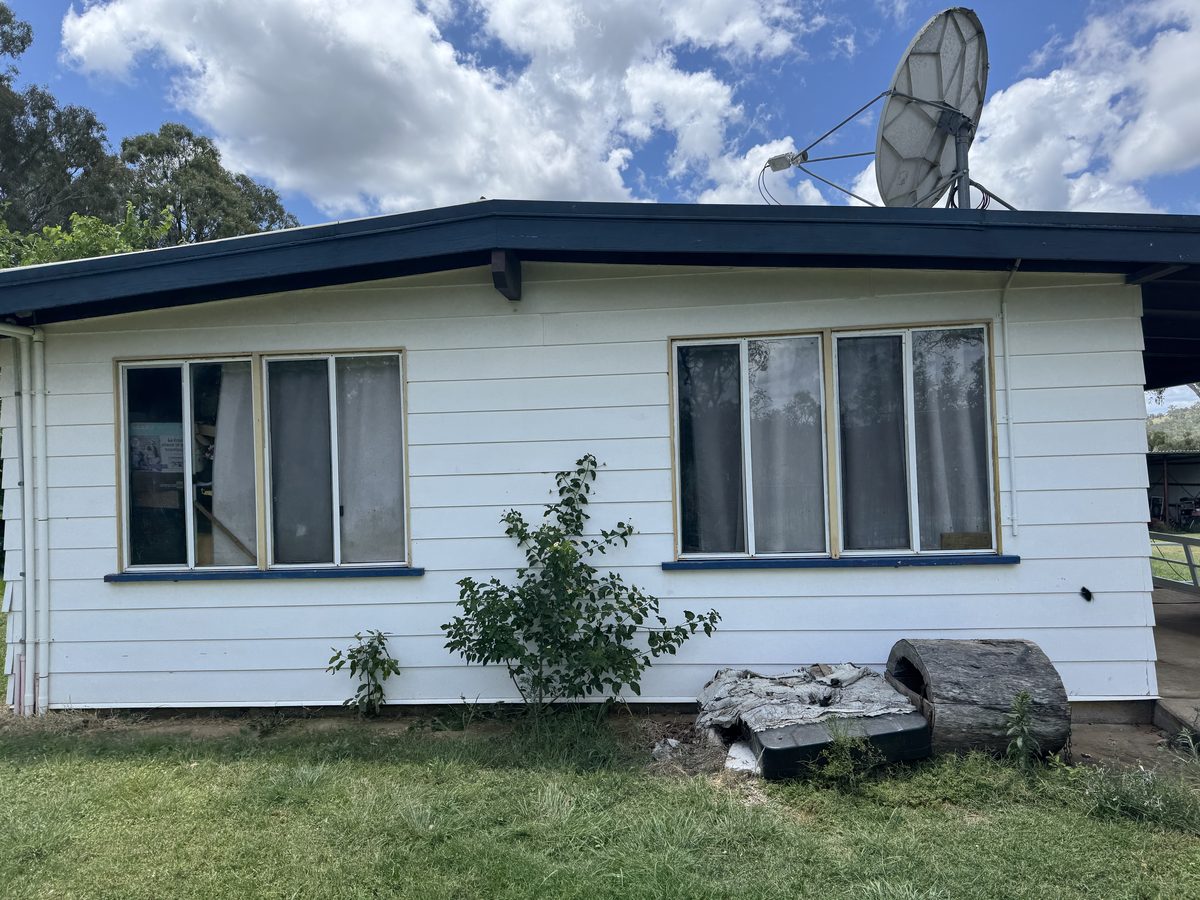
Exterior surface before soft wash treatment
BEFORE
Exterior surface after professional soft wash — clean result
AFTER
Why This Matters

Your Roof Is Part of Your Drinking Water System

For the thousands of Queensland homes on rainwater tanks — particularly across South Burnett, Somerset and rural Redlands — your roof isn't just a structure. It's the first point of contact for every drop of water that ends up in your tank, your taps and your family's glasses. What grows on your roof doesn't stay on your roof.

What Grows on Uncleaned Roofs

Gloeocapsa magma — the cyanobacterium responsible for the distinctive black streaking on Queensland roofs. This organism produces toxins as part of its biological cycle. When it washes off your roof into your tank during rain, those toxins enter your water supply.

Lichen root systems penetrate into tile and colorbond surfaces and harbour bacteria, fungal spores and organic debris that wash directly into gutters and downpipes with each rainfall event.

Moss retains moisture and debris against your roofing material and acts as a filter bed for airborne contaminants including bird and bat droppings, insect matter and leaf decomposition — all of which accumulate in your tank.

Bird and possum activity is dramatically increased on roofs with established moss and lichen growth — providing nesting material and food sources that further contaminate your roofwater.

Queensland Health Guidelines

Queensland Health recommends that rainwater tank systems used for drinking water include first-flush diverters, tank maintenance and regular roof cleaning as part of a comprehensive water quality management approach.

The National Health and Medical Research Council's Australian Drinking Water Guidelines specifically identify roof-collected water as requiring treatment and management to maintain safe quality for human consumption.

Regular professional roof cleaning is the first and most effective line of defence in protecting the quality of tank-sourced drinking water on rural Queensland properties.

Our Process

How We Protect Your Tank Water During Cleaning

Tank water roof cleaning requires a different approach to standard suburban roof cleaning. Our process is specifically designed to protect the integrity of your water supply throughout the entire clean.

01

Tank disconnection

Before we begin, we disconnect or isolate all downpipes feeding your rainwater tank. We use temporary blanking caps or divert flow away from tank inlets. No chemical-contaminated rinse water enters your tank under any circumstances.

02

Pre-rinse assessment

We inspect the roof, gutters and downpipe system before applying any chemicals. We note the condition of your first-flush diverter, any cracks in gutters and the general state of biological growth — and photograph everything.

03

Chemical application

We apply our professional grade sodium hypochlorite solution at the correct dilution for your roof type. This kills all biological growth — algae, lichen, moss and bacteria — at a cellular level. Dwell time is observed fully before any rinsing begins.

04

Controlled rinse

We rinse thoroughly from ridge to gutter. All rinse water containing dead biological matter and residual chemical is directed away from tank inlets. We flush gutters and downpipes separately to ensure all material is cleared before reconnection.

05

Reconnection advice

We advise you on the recommended waiting period before reconnecting downpipes to your tank — typically after the next 2–3 significant rainfall events have flushed any remaining residual material from the roof surface.

Where We Service

Rural Queensland Properties We Regularly Service

Tank water properties make up a significant proportion of our South Burnett and Somerset workload. We understand rural Queensland properties — acreage blocks, long driveways, large roof areas on sheds and homes, tank systems, and the unique biological growth patterns that come with being surrounded by native bushland.

South Burnett

Kingaroy · Nanango · Blackbutt · Yarraman · Kumbia · Benarkin · Maidenwell and all surrounding rural properties. High lichen growth rates due to native tree coverage and subtropical humidity. Travel surcharge applies for remote properties — confirmed upfront in your quote.

Somerset Region

Esk · Lowood · Kilcoy · Fernvale · Toogoolawah · Harlin · Moore · Linville · Coominya · Atkinsons Dam · Wivenhoe Pocket and surrounding acreage. Somerset's tree canopy and high rainfall make it one of the fastest-growing biological growth environments in SEQ.

Redlands Acreage

Sheldon · Burbank · Mackenzie · Mount Cotton and larger Redlands properties with tank water systems. Redlands coastal humidity combined with native vegetation creates rapid biological growth on roofs — particularly on the south-facing elevations of large rural homes.

Important Information

Sodium Hypochlorite and Tank Water — What You Need to Know

Some homeowners are concerned about the sodium hypochlorite (bleach-based) cleaning solutions used in professional soft washing and their potential impact on drinking water quality. Here's the honest, accurate information you need.

With Tank Disconnected — Safe

When tank downpipes are disconnected before cleaning and reconnected only after 2–3 rainfall events have flushed the roof surface, there is no pathway for residual chemical to enter your tank. This is the standard and only approach we use on tank water properties. Sodium hypochlorite also degrades rapidly in UV sunlight — breaking down to salt and water within hours of application on an exposed roof surface.

Without Disconnection — Risk

Cleaning a roof with tank downpipes connected and active is a risk we will not take. Any operator who does not disconnect your tank before applying chemical cleaning solutions to a tank water roof is not following proper procedure. Always ask any cleaning operator whether they will disconnect your tank before starting — and walk away if they say it's not necessary.

Pricing

Tank Water Roof Cleaning Costs

Rural and acreage properties typically have larger roof areas than suburban homes and may have multiple structures — main house, sheds, water tank covers. We quote each property individually based on roof area, access, level of growth and travel distance.

Standard Home
$599+

Single storey home, standard roof area, moderate growth, tank disconnection included

Large Rural Home
$850+

Large roof area, acreage property, heavy lichen growth, multiple tank disconnections

Home + Sheds
$1,100+

Main house plus multiple outbuildings, large colorbond shed roofs, all tank systems disconnected

Common Questions

Frequently Asked Questions

How long before I can reconnect my tank after roof cleaning?

We recommend waiting for 2–3 significant rainfall events before reconnecting your tank downpipes. In Queensland's subtropical climate, this typically means 2–4 weeks depending on the season. The rainfall flushes residual material from the roof surface, and sodium hypochlorite breaks down rapidly in UV sunlight — so by the time you reconnect after 2–3 rainfalls, the roof surface is clean and the chemical has long since degraded.

Will the cleaning chemicals harm my tank if a small amount gets in?

Sodium hypochlorite (the active ingredient in our cleaning solution) is actually used to disinfect drinking water in controlled concentrations — it's the same chemistry as water treatment. The key is dilution. A small amount of residual chemical reaching your tank through several heavy rainfalls after cleaning would be diluted to a negligible concentration. However, we disconnect tanks before cleaning as a precaution because we cannot guarantee controlled dilution in all scenarios. It's the right and only professional approach.

How often should I clean my roof if I'm on tank water?

Annual cleaning is strongly recommended for tank water properties — and every 12 months is genuinely the minimum, not a sales pitch. South Burnett and Somerset properties under native tree canopy can develop significant biological growth within 6–9 months. The growth on your roof is what's contaminating your water over time — the cleaner the roof, the cleaner the water entering your tank.

Can you clean the gutters and downpipes as well?

Yes — and we strongly recommend it as part of any tank water roof clean. Gutters on rural properties accumulate leaf matter, possum activity, bird droppings and biological growth that sits directly in the water pathway to your tank. A full clean includes gutters flushed end to end, downpipes cleared and checked, and gutter condition assessed. Gutter cleaning is included in all our packages.

Do you service remote South Burnett properties?

Yes — South Burnett and Somerset rural properties are a significant part of our work. A travel surcharge applies for remote properties beyond our standard service radius, and this is always confirmed in your quote before any commitment. We'll give you an honest price upfront with no surprises on the day.

What if my roof has both a main home and sheds with their own tank systems?

We quote and treat each roof and tank system individually. Large rural properties with multiple structures, multiple tanks and complex downpipe systems are something we handle regularly. We'll assess each roof, each tank inlet and each downpipe run during the inspection and provide a comprehensive quote covering everything.

Free Quote

Get Your Free Quote Today

Call direct or send an enquiry — we respond within 2 hours, Mon to Sat.

0412 291 614

No obligation · Free · We respond within 2 hours